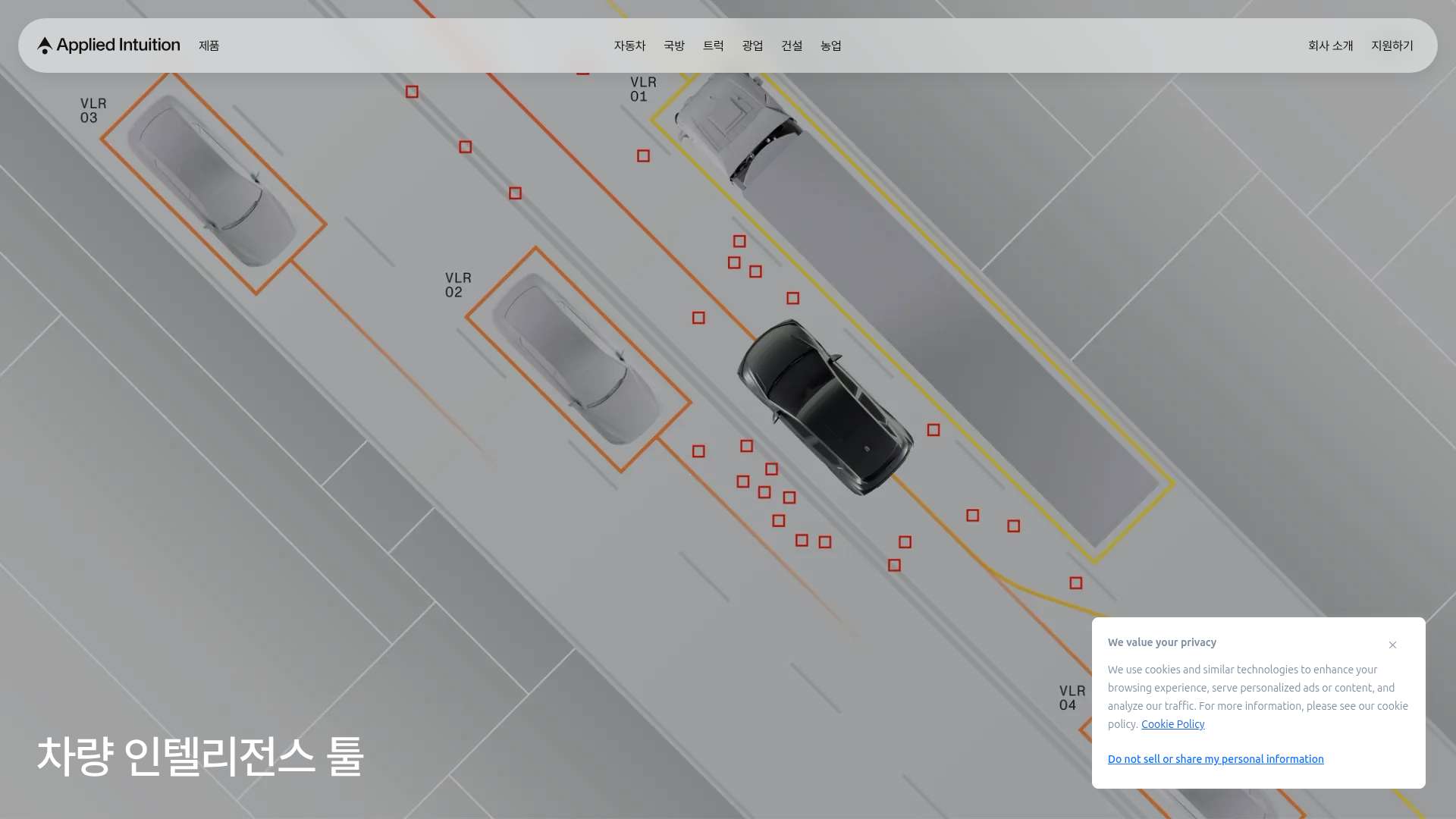
The modern mobility industry is experiencing a massive transformation driven by software-defined vehicle development and the rigorous safety validation of artificial intelligence operating in the physical world. As autonomous driving technology advances, the importance of robust data infrastructure and simulation environments continues to grow. Pre-training and validating countless edge cases that may occur in complex real-world driving environments have become critical factors determining the success or failure of development lifecycles. Applied Intuition has emerged in response to these market demands, providing a comprehensive end-to-end platform for building, validating, and expanding autonomous vehicles and physical AI systems, thereby setting a new standard in the mobility tech market. This article explores how the platform operates across industries such as automotive, defense, trucking, mining, construction, and agriculture, and analyzes the innovative changes it brings to business and daily operations.
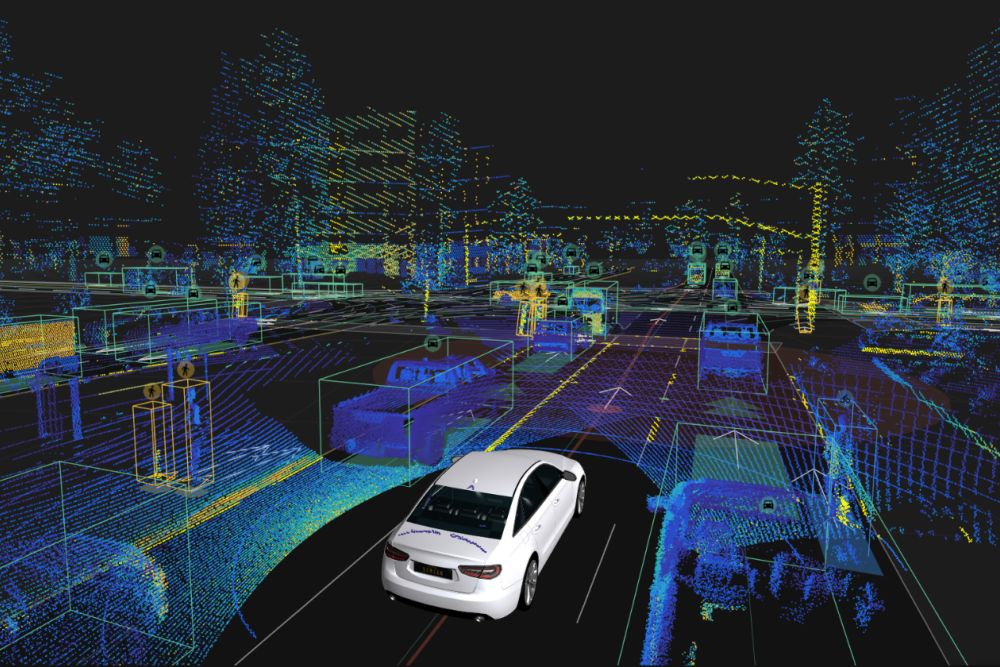
The primary technical strength of the Applied Intuition platform lies in its ability to collect, curate, and process petabyte-scale fleet data while seamlessly managing reproducible data lineage. Engineering organizations undertaking large-scale autonomous driving projects often experience massive resource drains during data management and curation processes. This platform supports reliable workflow integration and cost-aware execution management, ensuring stable system performance even as data scale and model complexity surge. Furthermore, it boasts exceptional scalability by supporting powerful software development kits, allowing organizations to effortlessly build custom workflows across cloud, on-premises, and air-gapped operating environments.
The adoption of a modular primitive architecture is another noteworthy aspect. Rather than entirely replacing existing infrastructures, organizations can flexibly integrate their internally developed AI models, simulators, and evaluation metrics within the platform. This maximizes overall system interoperability and data flow, freeing researchers and engineers from fragmented toolchain management and enabling them to focus on advancing core algorithms. The precise simulation environment facilitates virtual scenario testing, completing a safety validation framework that transcends the temporal and physical limitations inherent in physical testing.
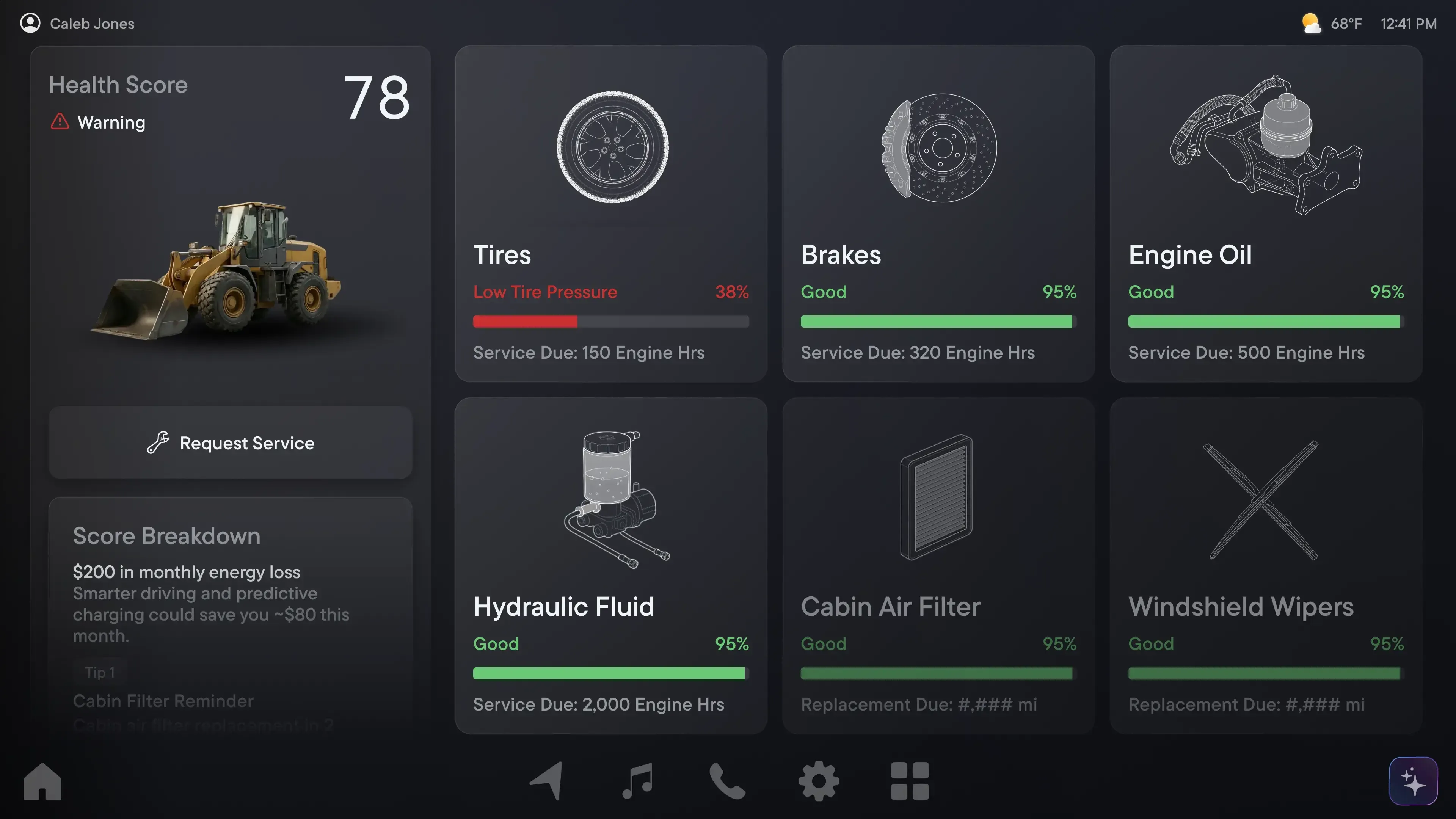
These technical advantages translate into powerful business outcomes in terms of autonomous monetization. Platform adoption enables the generation of an estimated 65 million dollars in annual new license and consulting revenue across diverse industrial sectors including automotive, defense, and logistics trucking. By accelerating fleet operations and petabyte-scale data processing, customers can significantly shorten time-to-market, driving additional commercial revenue through first-mover advantages. Nevertheless, further diversification of cloud-based subscription microservice pricing models and tailored packages for small and medium-sized engineering enterprises could yield an even more robust revenue structure.
Operational cost reduction effects are equally pronounced. By automating petabyte-scale data collection, curation, and simulation testing processes, organizations are projected to save over 42 million dollars annually in operational costs previously consumed by manual driving tests and data analysis. The modular primitive architecture prevents redundant investments with legacy infrastructure, minimizing initial deployment expenses. However, to finely optimize complex air-gapped and on-premises maintenance costs in multinational project environments, the introduction of automated resource monitoring and cost management agents should be considered.
Productivity innovation is overwhelming. Through powerful SDKs and precise simulation environments, the platform achieves outstanding results by reducing virtual scenario testing and safety validation time by up to 12 times compared to conventional methods. It maximizes workflow integration efficiency by enabling developers and researchers to virtually learn and respond to edge cases in complex real-world driving environments. Moving forward, comprehensive interoperability support across diverse heterogeneous simulators and strengthened multi-agent feedback loops will enable even greater compression of development cycles.
In conclusion, Applied Intuition possesses a unique technological moat that innovatively enhances the safety and efficiency of artificial intelligence operating in the physical world. It has secured an irreplaceable position in the high-end infrastructure domain beyond conventional software markets, and is projected to establish itself as the standard infrastructure across the global mobility industry through expansion into defense, agriculture, and construction sectors. Built upon rigorous data lineage management and reproducible workflow operations, the platform accelerates the commercialization of autonomous driving, and you can explore its detailed features and deployment strategies directly at
https://www.appliedintuition.com/kr/physical-ai .