At the forefront of innovation highlighted by global tech magazines, today we encounter a pioneering force opening a new chapter in knowledge management and design automation—long-standing challenges in mechanical engineering. Manufacturing and engineering industries worldwide face intense pressures to shorten product development cycles in response to rapidly changing market demands. However, during complex mechanical design processes, engineers still spend an enormous amount of time searching for necessary parts within countless legacy data and internal PLM systems, performing repetitive manual calculations, and digging through vast engineering document libraries. These persistent bottlenecks not only increase individual overtime but also delay time-to-market and generate massive opportunity costs for enterprises.
Born to directly tackle these structural limitations is Leo AI. This platform stands out as the world's first engineering-grade AI platform and CAD copilot solution purpose-built for mechanical engineers, exhibiting a technical depth vastly different from generic chatbots or text generation tools. Founded by MIT PhDs, fellows, and industry veterans, the company targets the clear and specialized vertical market of mechanical engineering, autonomously building a Large Mechanical Model (LMM). By seamlessly integrating into engineering workflows, it precisely assists with CAD and CAE tasks while providing an environment where complex internal knowledge can be effortlessly unlocked.
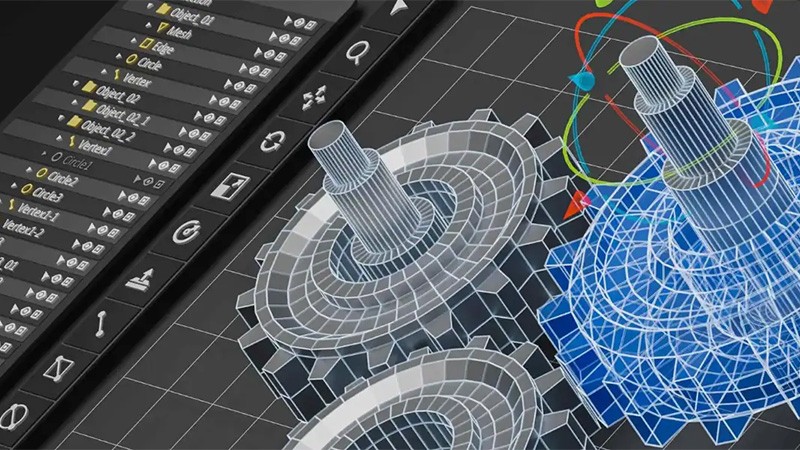
One of the greatest challenges modern engineering organizations face is the fragmentation of massive internal design assets alongside PDM and PLM systems. Drawings, simulation results, standard part libraries, and technical documents accumulated over decades are frequently managed in silos by department or individual, leading to redundant designs or unnecessary data searches during new projects. Leo AI learns directly from users' engineering libraries and leverages precise RAG-based search and retrieval-augmented generation capabilities. When engineers ask questions or input requirements in natural language, the platform delivers accurate part information, past design histories, and compliance status in mere seconds.
Beyond simple keyword matching, the platform demonstrates domain-specific reasoning and physics support. Mechanical design is not merely drawing shapes; it is a highly scientific endeavor that must satisfy rigorous load, stress, and thermodynamic constraints. Leo AI's Large Mechanical Model internalizes these physical laws and domain-specific knowledge, automatically performing complex engineering calculations and proactively detecting potential errors during design verification. Consequently, engineers are liberated from tedious manual computations and verifications, enjoying an optimal environment focused on improving intrinsic product performance and implementing innovative ideas.
From a business perspective, the innovation brought by this platform is highly concrete and overwhelming. First, regarding autonomous monetization analysis, Leo AI effectively unlocks internal enterprise PLM knowledge and supports optimal part exploration, drastically shortening new product development cycles. Global manufacturers are projected to achieve approximately $3.8 million in annual additional revenue generation effects through this capability. Because accelerated product launches driven by complex mechanical calculation and design automation maximize market preemption effects and achieve superior time-to-market compared to competitors. Moving beyond cloud-based subscription models to additionally build enterprise-customized on-premise deployments and design data licensing ecosystems in the future will amplify its economic ripple effects even further.
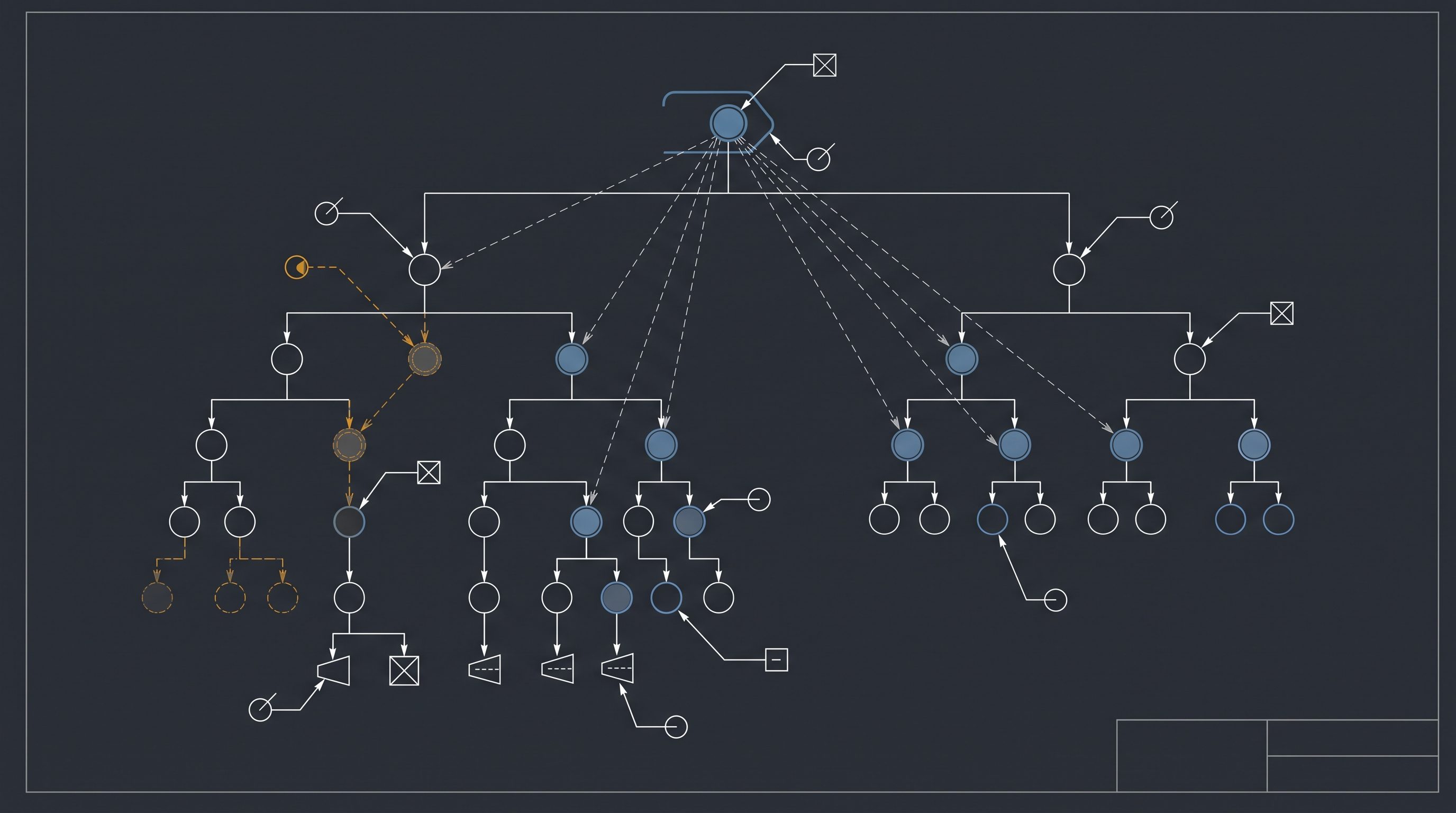
Second, regarding operating cost reduction analysis, automating the repetitive manual data searches, standard part exploration, and complex physical calculations and verification tasks inherent in mechanical engineering design significantly lowers operating costs. By reducing the manual workload proportion of engineering teams, enterprises can achieve approximately $2.9 million in annual labor and external consulting cost savings. Although deep integration with legacy PDM and PLM systems may require initial setup costs and onboarding resources for internal engineers to adapt, standardized API connectors and intuitive interfaces provided by the platform minimize these entry barriers and realize rapid return on investment (ROI).
Third, regarding the 10x productivity innovation analysis, the combination of the Large Mechanical Model with domain-specific reasoning and physics support demonstrates phenomenal operational efficiency, reducing the time spent on traditional design reviews and document searches by over 85 percent. Precise RAG-based knowledge searches and real-time support from the CAD copilot help engineers completely break free from repetitive tasks. Nevertheless, to completely block hallucinations that may occur in extreme physical simulation environments or unverified edge cases, powerful auditability and verification mechanisms closely linked with human engineers' final approval workflows are continuously advanced, further elevating technical reliability.
From search and AI discoverability optimization perspectives, the platform presents a highly exemplary structure. The website's metadata and semantic structure effectively reflect core target keywords such as mechanical engineering, CAD copilot, and LMM, securing excellent visibility in tech-centric search engines. Robots.txt and sitemap structures are also elaborately configured to maximize indexing efficiency for major search crawlers and AI answer engines. Expanding citation networks with engineering professional communities and academic white papers while further strengthening structured data in the future will drive domain authority indices in generative AI search environments even steeper.
In conclusion, this platform transcends the limitations of simple general-purpose chatbots or document summarization tools, targeting the clear and specialized vertical market of mechanical engineering with a highly original and technology-intensive solution. The expertise of MIT-trained engineers combined with a thoroughly domain-specific LMM architecture establishes a formidable technical moat amidst a red ocean crowded with numerous generic AI startups. Management will further solidify enterprise-grade security certifications meeting the strict security requirements of global large enterprises while accelerating ecosystem expansion strategies with global mechanical engineering standard CAD platforms, setting a new standard for global manufacturing innovation.

If you are curious about specific adoption methods and detailed features of this innovative solution that fundamentally transforms the paradigm of mechanical design and maximizes engineering organization productivity, you are encouraged to visit the official live service page at
https://www.getleo.ai/blog/ai-driven-cad-copilot-mechanical-engineering to explore it firsthand. It will serve as the first step beyond simple tool adoption to innovate the entire engineering team's working methods and build a future-oriented design environment.