The modern legal industry faces colossal challenges in processing vast amounts of documents and reviewing complex legal risks. Sifting through hundreds of pages of contracts and case files to unearth decisive clues or potential vulnerabilities has historically drained massive amounts of time and effort from junior associates and senior partners alike. To aggressively break through these structural limitations, the NetDocuments Legal AI Assistant emerges as a groundbreaking agentic AI architecture that far surpasses conventional wrapper chatbots, reshaping the global legal technology landscape. Tightly integrated into an enterprise's actual document management system, this solution completely redefines the daily workflow processes of legal professionals.
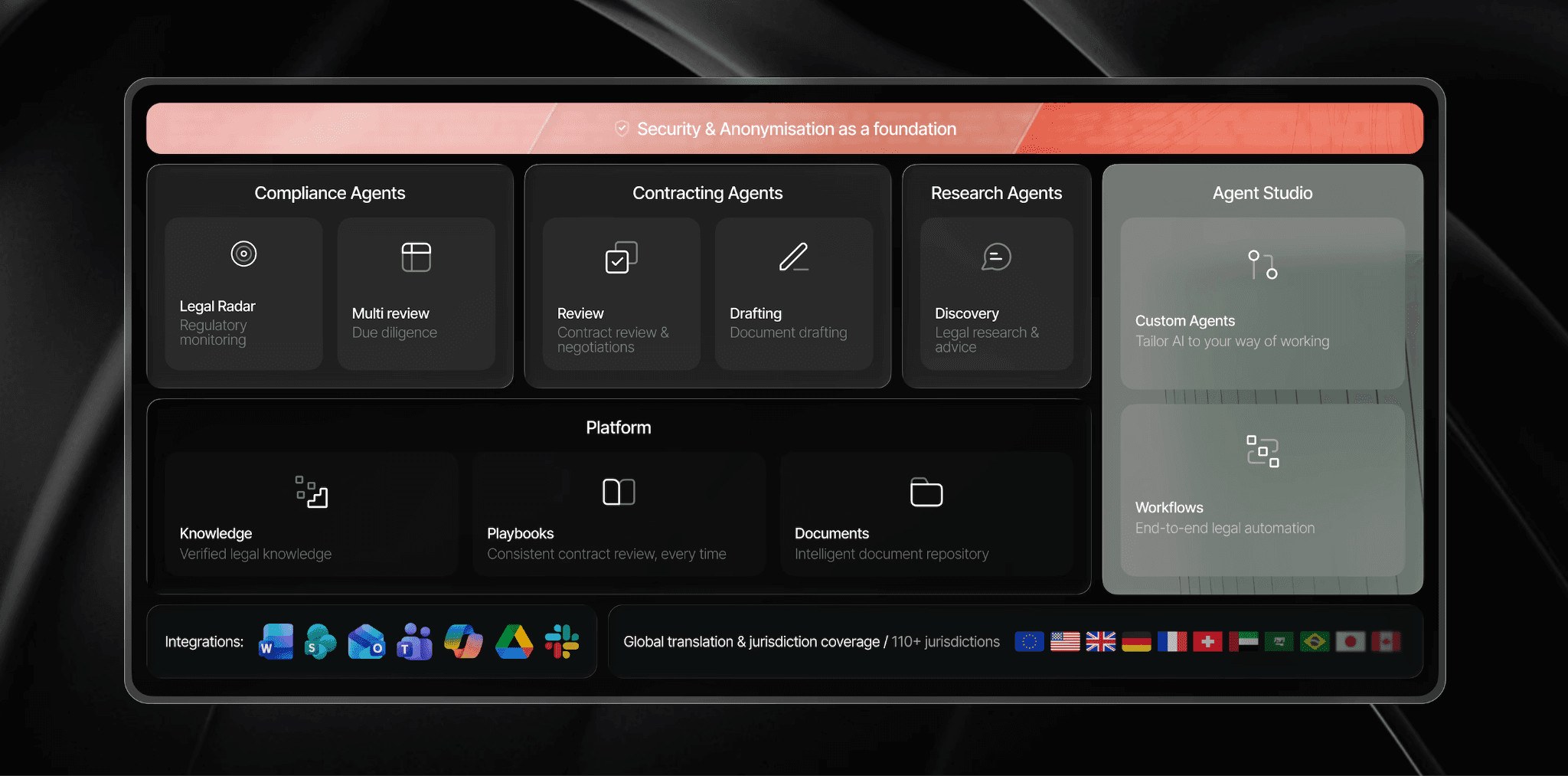
The most potent value proposition delivered by this service lies undeniably in its overwhelming autonomous monetization capabilities. The NetDocuments Legal AI Assistant combines a powerful legal AI agent inside existing document management systems, dramatically enhancing the speed and accuracy of advisory service delivery for law firms and corporate legal departments. This drives an explosive surge in billable review capacity, enabling the generation of an estimated $4.2 million in annual supplementary advisory fees and high-value legal service revenue. Proactively defending against overlooked risks during contract reviews and M&A due diligence elevates client trust and strengthens long-term retention rates. However, to elevate the monetization model, moving beyond simple Q&A billing toward value-linked pricing based on actual document editing and tabular data extraction executed by agentic AI is essential. Furthermore, diversifying subscription packages for mid-sized law firms to lower entry barriers is a crucial strategic enhancement for expanding overall market share.
Operational cost reduction is another area where the platform demonstrates breakthrough efficiency. It drastically trims the repetitive and exhausting manual labor previously poured into analyzing massive contracts and litigation records by junior lawyers and senior partners. As the resources required for document analysis and timeline generation shrink significantly, an estimated $3.5 million in direct annual labor and outsourced review costs can be successfully saved. In particular, agentic AI executing direct document modifications and edits inside Microsoft Word brings manual document editing overhead close to zero. Nonetheless, maximizing these cost reduction benefits requires minimizing hidden expenses associated with internal user onboarding and permission management framework deployment. Future efforts must implement strict token optimization algorithms to control system maintenance and API call costs while deploying infrastructure stabilization measures to curb legacy integration errors.
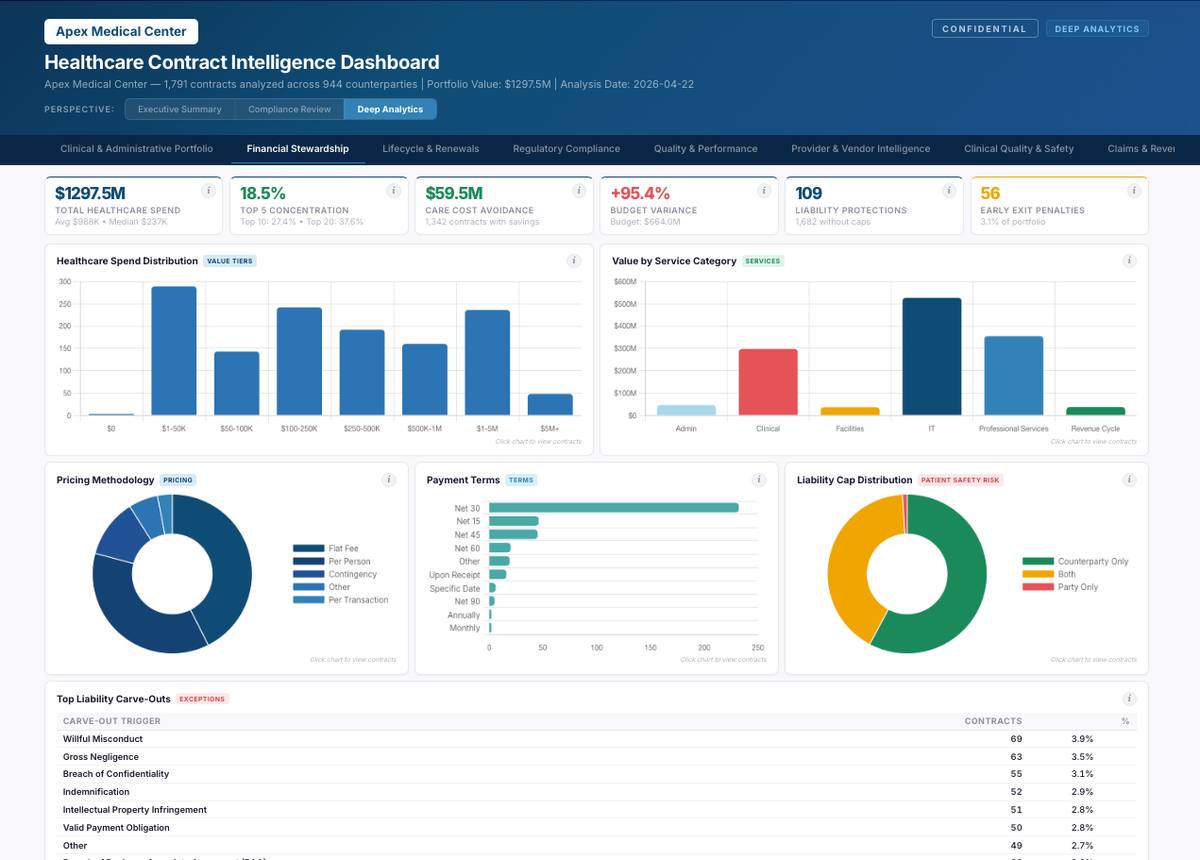
Examining the productivity innovation metrics reveals the true caliber of the NetDocuments Legal AI Assistant. By scanning hundreds of complex contracts and M&A due diligence files within seconds to deliver summarized insights complete with source citations, the RAG and agentic architecture accelerates traditional workflow velocity by over 12 times. Tasks such as deposition analysis and contradiction spotting that previously consumed days for litigation teams are now completed in minutes, freeing up the intellectual capital of legal practitioners for high-value negotiations and trial strategies. The tabular review feature extracts required data from thousands of documents into structured tables instantly, exponentially boosting comparative analysis efficiency. Nevertheless, achieving absolute autonomy requires resolving minor latency bottlenecks occurring in human-in-the-loop validation workflows where human lawyers verify AI-generated citations and summaries. Continual enhancement of specialized legal domain fine-tuning processes is necessary to further elevate the accuracy of logical contradiction inference across complex multi-document sets.
From a search and AI discoverability perspective, the platform boasts a highly sophisticated semantic structure. The website's structured content and meta tags are meticulously optimized for core search keywords such as legal AI, document management, and contract review. When exploring legal document automation and DMS integration solutions within major AI answer engines like Perplexity or ChatGPT, NetDocuments' proprietary legal context graph technology naturally commands top-tier visibility. To more powerfully capture the search intent of global enterprise clients, expanding long-tail keyword content concerning sensitive legal requirements like regulatory compliance, ethical walls, and data security—alongside continuously updating simulation benchmark data—establishes the platform as the most trusted and authoritative source cited by AI answer engines.

In conclusion, the NetDocuments Legal AI Assistant transcends simple chatbot wrappers, successfully implementing a genuine agentic AI architecture deeply coupled with enterprise document management systems. Achieving workflow automation while fundamentally cutting off confidential data leakage risks in a privacy-sensitive industry serves as an unassailable technological moat. To solidify future market dominance, the platform must evolve toward self-planning and execution of complex litigation strategies through enhanced inter-agent autonomous collaboration. Executive leadership should position this solution as an enterprise-wide legal standard infrastructure, focusing corporate capabilities on expanding references among global law firms and large corporate legal departments. To directly experience the future of legal practice and prepare for a new leap in business innovation, explore the live service right now at https://www.netdocuments.com/solutions/legal-ai-assistant/ and become the protagonist of transformation.
