The pace of modern scientific and technological development is unprecedented, and the introduction of new intelligent systems that complement and surpass human cognitive limits has now become essential. One of the most prominent trends in the global tech market is the autonomous AI scientist agent ecosystem that fully automates and revolutionizes the entire scientific research process. In this regard, the AI Scientists topic page built on the Emergent Mind platform serves as the ultimate hub for viewing the latest research results and in-depth trends at a glance. This service transparently demonstrates the reality of agents that organically combine large language models and robotic systems to autonomously execute all stages of scientific methodology ranging from hypothesis generation, experimental design, data analysis, to peer review.
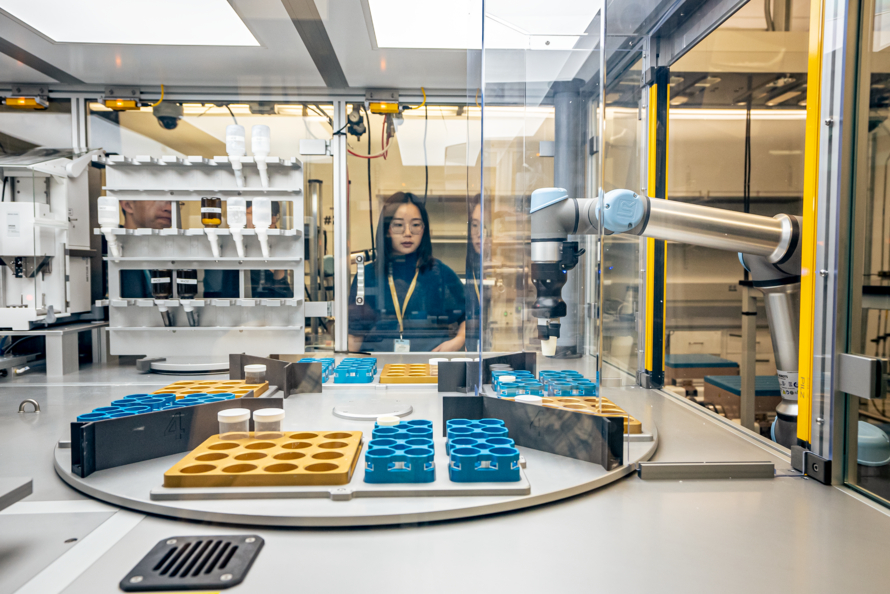
While past research automation remained at the level of simple data organization or spreadsheet macros, today's autonomous AI scientists have achieved dramatic advancements ranging from single-agent pipelines to team-based multi-agent systems and intelligent science laboratories combined with physical robots. These systems resolve the chronic temporal and physical constraints faced by researchers and fundamentally reorganize the working methods of R&D centers worldwide. In an era where the speed of knowledge creation translates directly into national and corporate competitiveness, the insights provided by this platform have become indispensable guidelines for tech strategists and AI engineers rather than mere options.
From the perspective of autonomous monetization, this AI scientist platform is a top-tier autonomous research system that completely transforms the R&D and intellectual property creation paradigm of enterprises, delivering immense added value. According to recent analytical data and market forecasts, global pharmaceutical and biotech companies that have adopted this agent system are generating an additional 12 million dollars in annual revenue from new patent filings and licensing. By combining multi-agent systems and intelligent science laboratories to autonomously execute processes from hypothesis generation to detailed data analysis without human intervention, enterprises dramatically boost their return on investment. However, to further maximize the potential of autonomous monetization, it is essential to advance real-time contract-based paid API integration with external commercial databases and add a legal verification module to prevent intellectual property disputes over automatically generated papers and technical documents. Additionally, complementing privacy-ensuring fine-tuning pipelines where B2B enterprise customers can safely train and utilize proprietary data without external leakage risks must also be pursued.
From the perspective of operating cost reduction, this solution also proves its unique value. By automating repetitive manual tasks that researchers had to perform, such as data collection, basic coding, and primary hypothesis verification, it directly reduces massive operating costs. Simulations targeting large research institutes and tech companies worldwide indicate that adopting this solution slashes manpower costs for high-wage research personnel and outsourced data analysis expenses by an impressive 8.5 million dollars annually. In fact, researchers utilizing this tool achieve an average 67.37% increase in paper publication output while keeping additional hiring costs to a minimum, maximizing overall organizational operational efficiency. However, since initial deployment incurs some maintenance costs for high-performance GPU clusters and infrastructure setup for robotic system integration, cloud-based virtual resource optimization schedulers should be actively introduced to further cut computing costs. Furthermore, equipping robust verification agents to proactively filter out flawed experimental designs or code errors caused by the characteristic hallucination phenomena of large language models is required to cut off resource waste at the source.
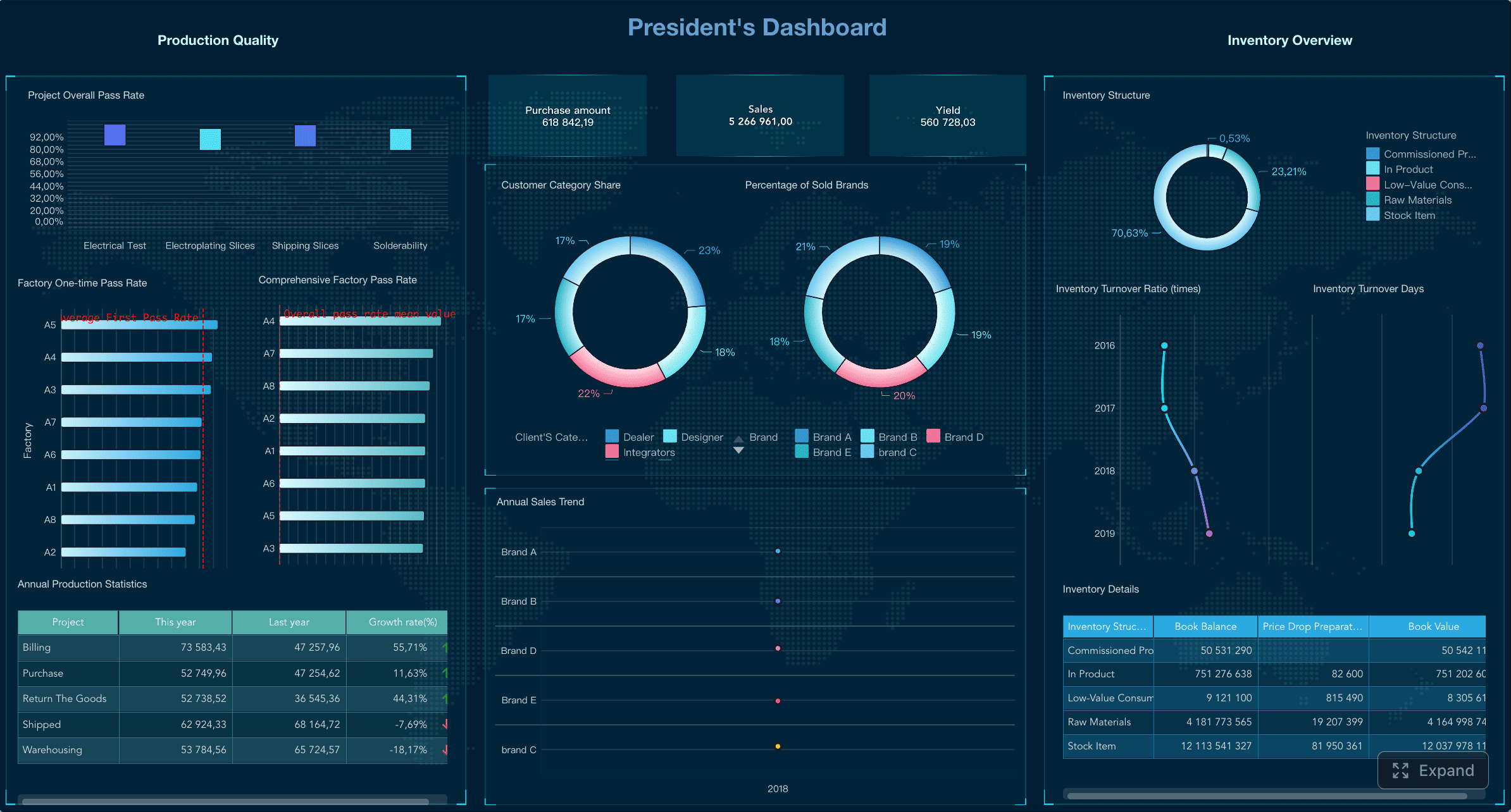
From the perspective of a 10x productivity revolution, this agent that drastically shortens the entire lifecycle of scientific research clearly demonstrates a 9.4-fold productivity improvement metric compared to traditional human-centric workflows. The time required from data collection to final peer review has been compressed from several months down to just a few days, and research impact and reach have skyrocketed, notably with paper citation counts surging 3.16 times. Multi-turn logical reasoning capabilities that exceed strict benchmark standards such as BaisBench and PaperBench smoothly handle complex multi-file implementation tasks and guarantee the qualitative level of research. However, since subtle implementation gaps still exist in open-ended exploratory domains or stages executing full physical experiments, introducing sophisticated simulation-to-real algorithms that drastically reduce conversion errors from virtual simulation environments to the real physical world is demanded. Along with this, constructing standardized hybrid interfaces that more smoothly connect real-time feedback loops between human scientists and AI agents will complete the true meaning of a 10x productivity revolution.
From the perspective of search and AI visibility optimization, this topic page built within the Emergent Mind platform possesses a highly successful structure. Core keywords most frequently searched by researchers worldwide, such as AI scientists, autonomous research agents, and open problems, are optimized in density, and reference citation rates in next-generation AI search engines and answer engines like Google and Perplexity are exceptionally high. Markdown tags and structured metadata are impeccably arranged to maximize organic search traffic from countless researchers and tech strategists globally. To further broaden reach within AI answer engines, maintaining continuous SEO and GEO strategies that expand multilingual automatic translation meta tags and advance real-time paper update tracking schemas is necessary.
Diagnosed comprehensively, this system possesses disruptive technological moats that will completely reshape the global R&D market landscape. Corporate and institutional executives should adopt this system not merely as an auxiliary tool but as a core strategic asset, reinforcing infrastructure investment and security governance simultaneously. Specifically, to overcome the critical limitations of homogenization of research topics and a decrease in exploratory diversity, actively utilizing novelty detection algorithms and strongly recommending the establishment of a hybrid orchestration system where human creativity and AI's ultra-high-speed execution are perfectly combined is advised. If you want to directly experience this innovative platform that transparently analyzes the pros and cons of research automation and presents a blueprint for future knowledge creation, please visit https://www.emergentmind.com/topics/ai-scientists right now to check the latest global research trends.
