As artificial intelligence fundamentally reshapes the paradigm of the global business ecosystem, a revolutionary shift is unfolding within the voice interface domain. Traditional voice response systems, commonly known as IVR technologies, have long remained confined to pressing predetermined buttons or recognizing rigid, mechanical keywords, causing immense frustration for users. Customers often had to endure dozens of automated prompts just to reach a human representative, and even the slightest slip of pronunciation or use of complex terminology would cause the system to spit out errors and restart from square one. Breaking through these chronic limitations, a next-generation voice AI platform has emerged that orchestrates natural, intelligent conversations just like a real human, capturing the intense attention of enterprises worldwide. That trailblazing service is Vogent, an all-in-one platform designed to let organizations build sophisticated voice agents in mere minutes without writing a single line of code.
Vogent transcends traditional chatbot-to-voice wrappers by establishing a comprehensive, robust architectural foundation. It embeds proprietary conversational models fine-tuned on millions of noisy real-world phone calls, seamlessly combining advanced voice activity detection with sophisticated IVR navigation models to maintain flawless dialogue flows even in complex enterprise environments. Users can leverage an intuitive, drag-and-drop flow builder directly within the web interface to design intricate scenarios effortlessly. The platform intelligently parses user intent in real time, triggers external APIs to address customer inquiries instantly, and queries enterprise knowledge bases to deliver accurate information on the fly. From the perspective of global tech journalism, let us deeply analyze the profound impact this innovative platform brings to modern business and everyday operations.

The most disruptive economic force that Vogent unleashes within the corporate market lies undeniably in autonomous monetization and revenue maximization. Traditional call centers and customer support systems have historically suffered from operational hour constraints, human agent performance variances, and escalating wait times, resulting in a critical weakness that drives potential customers away. However, enterprises deploying this platform can establish an infallible, 24/7 engagement structure that never misses a single phone call. Even when inbound traffic surges during nights or weekends, the system conducts immediate consultations and gauges contract intents, driving customer churn rates down to near zero. For large-scale enterprise call centers, preventing customer drop-offs and accelerating immediate purchase conversions unlocks an estimated annual incremental revenue generation opportunity of at least 3.4 million dollars.
Of course, maximizing the ultimate potential of autonomous monetization requires parallel technical reinforcement and strategic refinement. If a voice agent misinterprets pronunciations mid-call or hallucinates during critical edge cases, the delicate trust established with potential customers risks fracturing. Consequently, Vogent must continuously polish its real-time sentiment analysis modules and exception-handling logic to capture subtle human nuances. Furthermore, moving beyond simple inquiry handling, integrating intelligent product recommendation algorithms that autonomously identify hidden customer needs and proactively drive up-selling and cross-selling will propel corporate revenue-generating capabilities into unprecedented stratospheric heights.
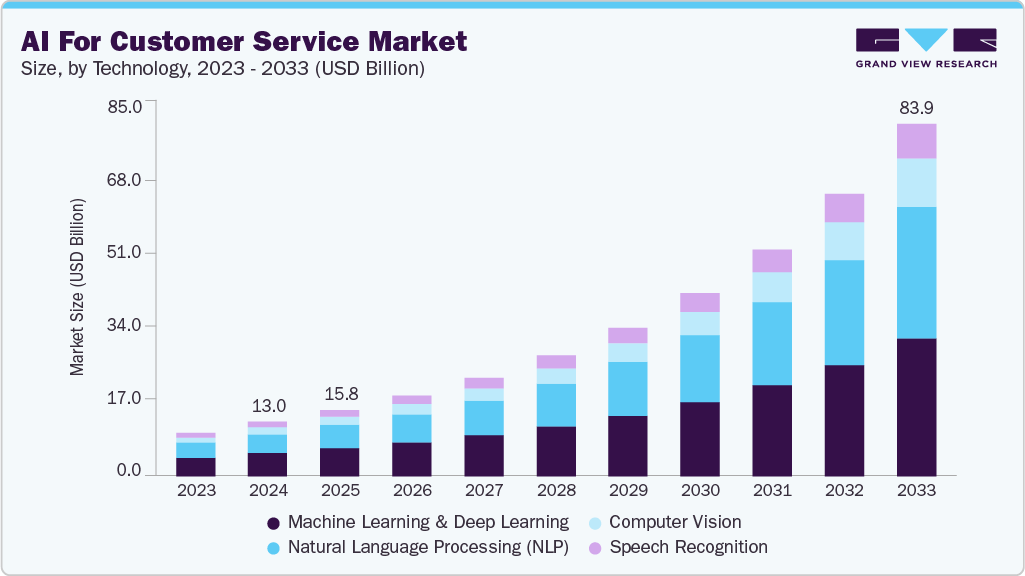
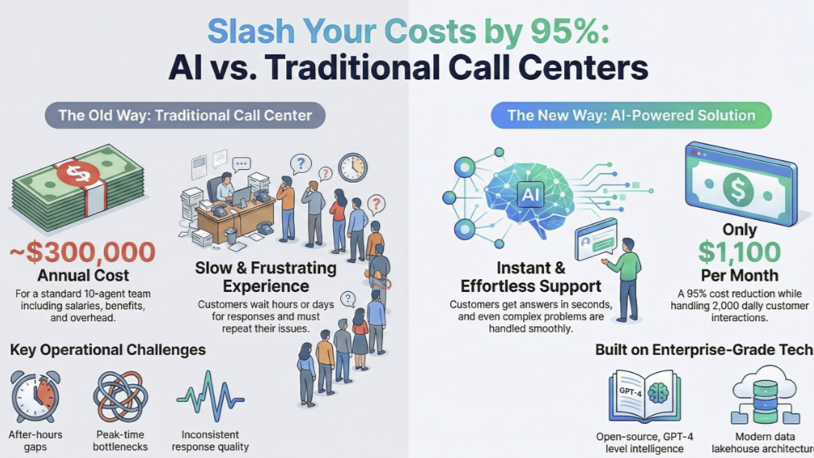
Another core performance metric that corporate executives celebrate enthusiastically is the overwhelming reduction in operational overhead. Legacy agent-centric call center operational frameworks impose immense financial burdens on organizations through high recruitment overhead, continuous training expenditures, office space maintenance, and high staff turnover rates. Vogent dramatically cuts labor spend by up to 75 percent while delivering conversations indistinguishable from human agents, powered by custom-built proprietary models boasting ultra-low response latencies under 200 milliseconds and natural text-to-speech rendering. By substituting massive customer support divisions—previously requiring hundreds of human agents—with efficient AI infrastructure, organizations achieve transformative financial results, shedding astronomical operating costs amounting to 2.8 million dollars annually.
However, beneath this massive cost reduction lies the vital requirement for rigorous cost control over initial infrastructure setup expenses and computing resource expenditures incurred during high-volume traffic handling. Architectural optimization is essential to efficiently distribute token costs and server loads generated throughout custom model fine-tuning and real-time API integrations. Particularly in enterprise environments where concurrent call volumes spike into the tens of thousands, cloud infrastructure autoscaling and cost-efficiency logic must be continuously advanced to preserve absolute system stability. When these financial and technical balances align perfectly, the cost-cutting value delivered by the platform becomes a decisive weapon for corporate survival.
Innovation from a productivity standpoint completely overturns conventional wisdom. The drag-and-drop no-code flow builder enables non-technical personnel and product planners to assemble sophisticated voice agents in just minutes, slashing deployment timelines by over 90 percent compared to legacy development paradigms. In the past, modifying a simple IVR scenario required days of coding and testing, whereas now logical adjustments can be executed instantly via intuitive visual interfaces and reflected in live environments immediately. Supplementing this with robust counterfactual analysis capabilities allows organizations to simulate new agent performance against massive historical call data archives, preemptively neutralizing unexpected errors and trial-and-error friction.
Even amidst this hyper-accelerated productivity growth, data consistency errors that might arise during complex authorization delegations and collaborative workflows among multi-agent architectures must be strictly guarded against. When multiple AI agents intertwine organically to communicate with external databases and trigger post-call actions, microscopic data conflicts or latency spikes can degrade overall system reliability. Therefore, strengthening autonomous data synchronization with external systems and real-time automated error recovery functions to completely eliminate manual human intervention—achieving self-healing capabilities where systems evolve and maintain stability independently—remains a paramount future mandate.
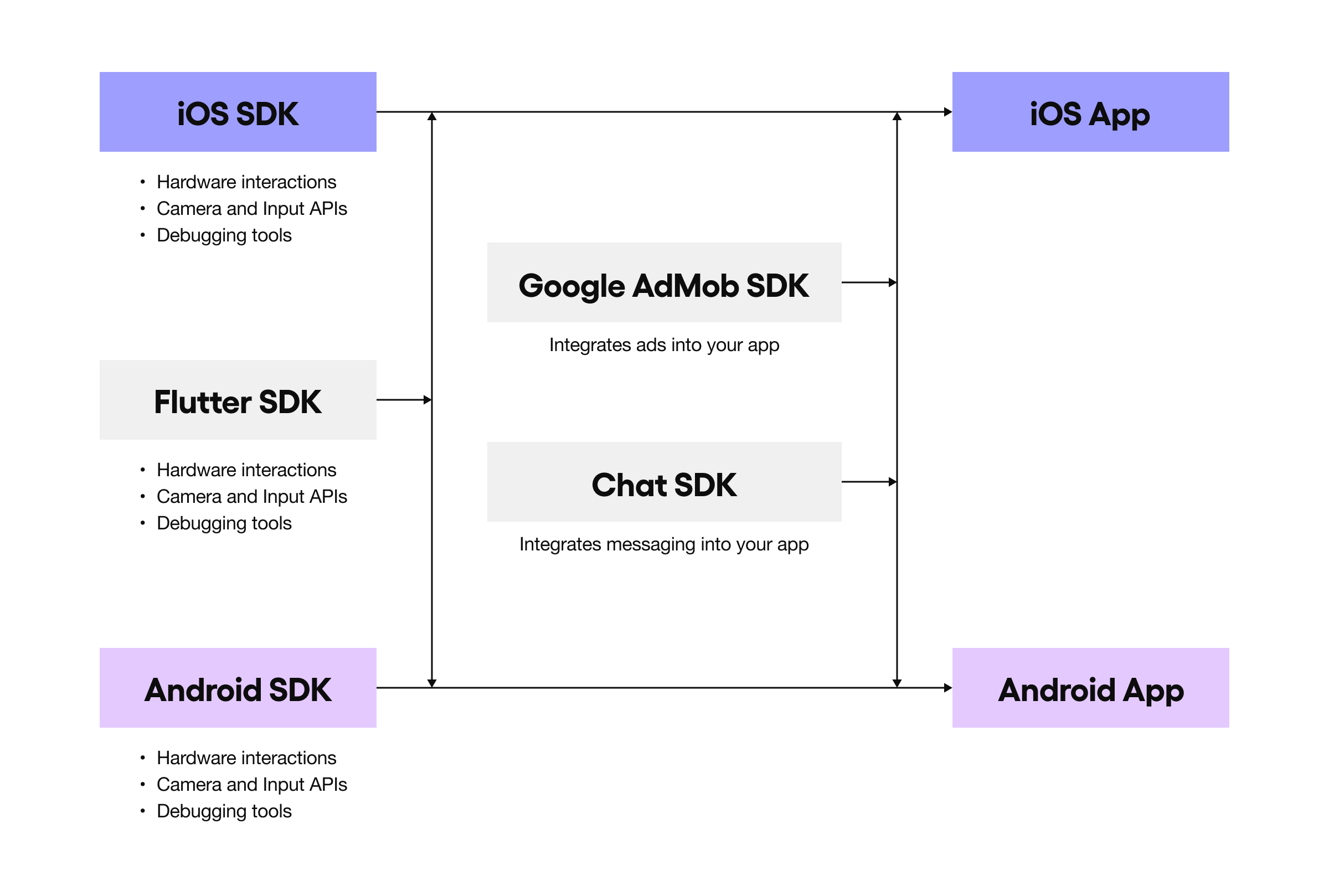
From a developer ecosystem perspective, the platform presents a remarkably compelling alternative. Rather than restricting users to rigid no-code constraints, it comprehensively provisions robust native SDKs and rich APIs that empower developers to directly manipulate internal systems and integrate custom models. Through OpenAI-compatible endpoints, engineers can freely import cutting-edge large language models to imbue distinct vocal personalities, while seamless consolidation with state-of-the-art open-source LLMs like DeepSeek is effortlessly supported. Built-in compliance frameworks guaranteeing absolute HIPAA adherence alongside enterprise-grade dedicated infrastructure provide rigorous security postures, enabling secure adoption across sensitive financial and healthcare industry sectors.
In summary, Vogent is not a mere chatbot wrapper or a superficial voice conversion utility, but a true next-generation voice AI infrastructure that perfectly integrates proprietary conversational models, voice activity detection, and counterfactual analysis. Even within a fiercely contested red ocean market crowded with voice AI contenders, the platform demonstrates a clear competitive moat by simultaneously capturing sub-200ms response latencies and the supreme convenience of a no-code builder. As it flexibly addresses LLM API pricing pressure and further broadens open-source interoperability moving forward, it is destined to cement its position as core infrastructure leading the global enterprise market. We invite you to visit the official website right now and experience the formidable capabilities of this groundbreaking voice agent platform firsthand. https://www.vogent.ai/
