The global creative production market is currently facing a sharp technological inflection point. Moving beyond the proliferation of simple image generation tools, an enterprise-grade AI platform that autonomously orchestrates entire game development and large-scale video production pipelines has emerged, completely reshaping industry standards. At the center of this revolution is Scenario. In this tech magazine, we deeply analyze how Scenario is transforming complex workflows for numerous creative teams and generating dramatic financial value across businesses.
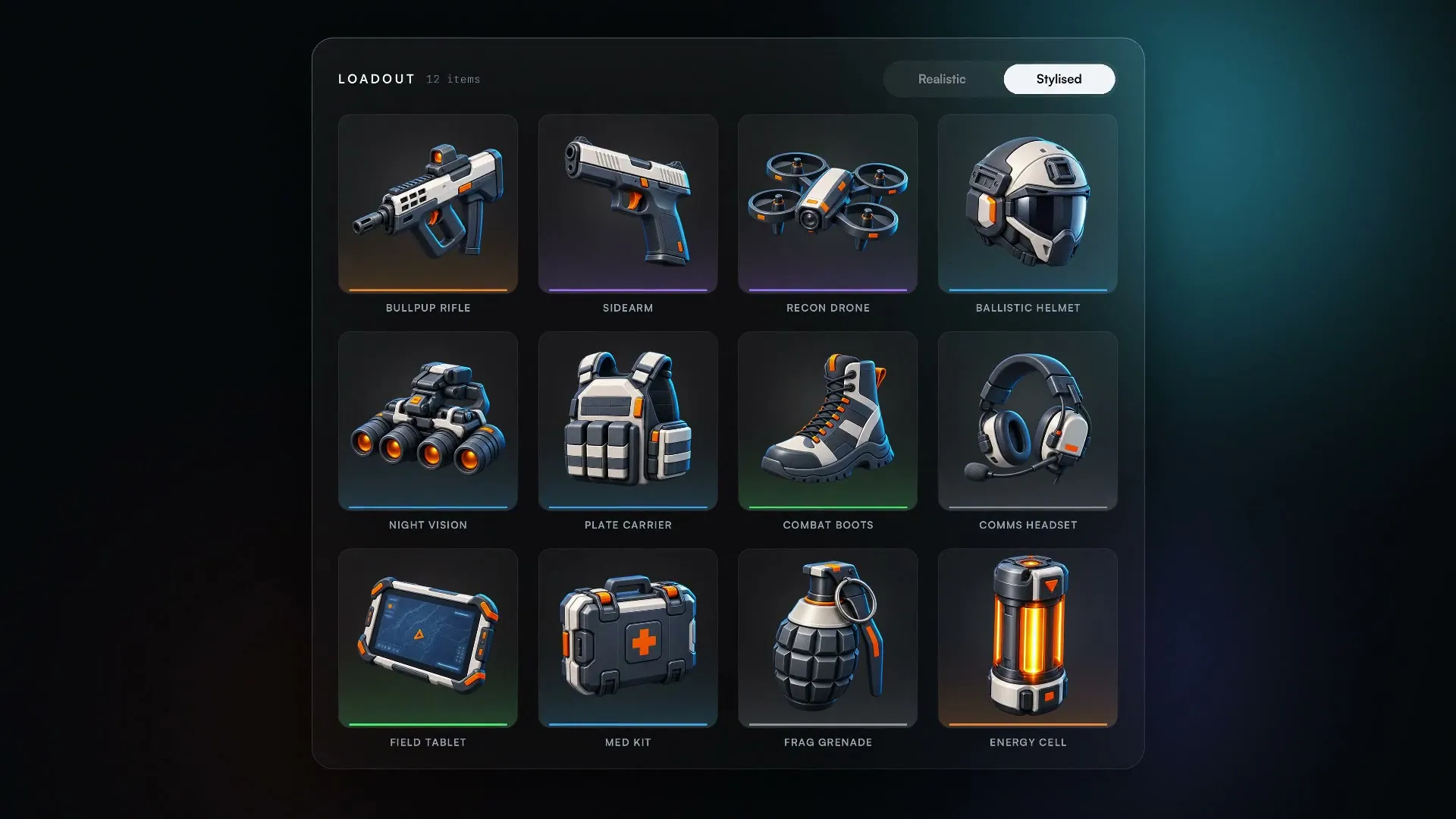
The greatest challenge facing modern game studios and video production pipelines is fragmentation. Tools for concept art, 3D modeling, asset rigging, audio, and voice generation are completely isolated from one another, causing severe data loss and style inconsistencies at every handoff. Scenario accurately identifies this structural limitation and perfectly integrates all multimodal assets ranging from images, video, 3D, and audio into a single browser-based workspace. Users can freely invoke world-leading AI models simply by logging into their browsers, compare model performance in real-time on a single brief, and consistently anchor the look and feel of entire projects.
The core of this integrated architecture lies in its node-based canvas system and agent delegation capabilities. Developers and artists can chain nodes together without complex coding to build their own proprietary automated pipelines. For example, converting a 2D image from the storyboard stage into a fully textured 3D model in just seconds, and exporting it directly into a rigging state compatible with game engines, is executed seamlessly within a single screen. Repetitive and tedious manual processing tasks are delegated to autonomous AI agents within the platform, while API and MCP integrations allow direct calls from existing corporate production pipelines.
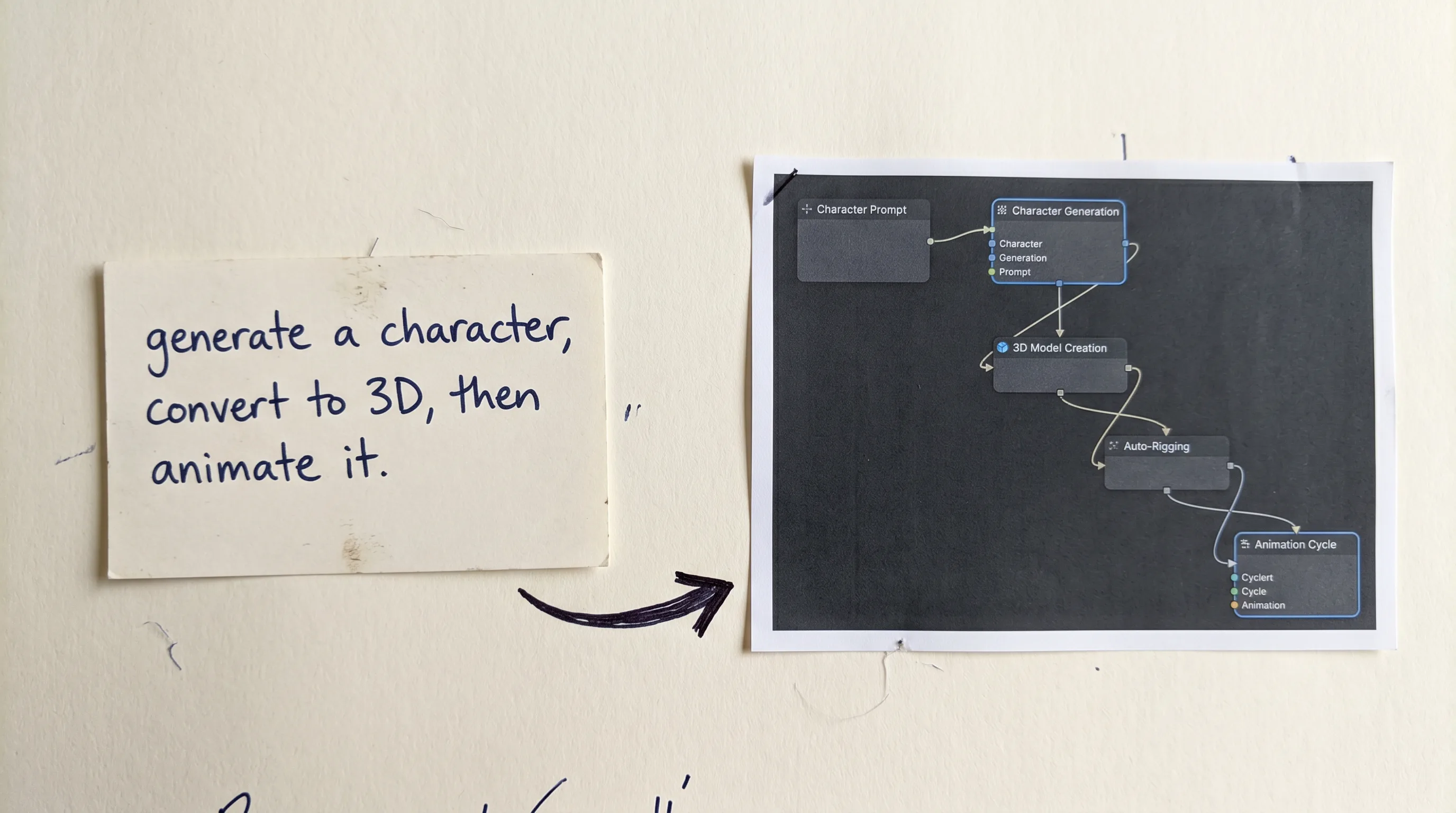
From a business perspective, Scenario demonstrates strong revenue generation potential. First, regarding autonomous monetization analysis, the platform accelerates game asset and multimodal content production speeds up to 12 times compared to traditional methods, establishing a powerful foothold for companies to accelerate time-to-market and generate up to $4.2 million in additional annual revenue. Cross-validating multiple models from a single brief and training custom AI models with proprietary corporate artwork secures proprietary intellectual property distinct from competitors. If an asset trading marketplace or creator revenue-sharing model is fully integrated into the platform in the future, the scope of revenue diversification will expand even more explosively.
Second, the impact on cost reduction is even more overwhelming. Based on large creative studios, operating costs can be reduced by up to $3.1 million annually by fully automating manual layer separation, repetitive texturing, outsourced asset production, and complex rigging processes. Massive labor and outsourcing expenses consumed in maintaining traditional pipelines are dramatically compressed through the autonomous execution of AI agents and node-based orchestration. The intuitive browser-based interface allows non-experts or new hires to be deployed directly into actual work without separate long-term training, drastically cutting training costs and onboarding periods.
Third, the indicators of 10x productivity innovation are already proven in the field. Video footage restyling, take expansion, and multi-layer image editing processes that previously took days of manual work are completed in just minutes, showing an astonishing precision that reduces rework rates by over 85 percent. Anchoring technology, which ensures that characters and styles are perfectly maintained from shot to shot, liberates numerous artists from the pain of repetitive tasks and provides an environment where they can focus purely on true creative decision-making.
In conclusion, Scenario goes far beyond the category of a simple functional AI tool; it is an orchestration platform that fundamentally redefines the paradigm of creative production. Even within a saturated AI market, it has built clear technological moats through multimodal integration, node-based pipelines, and enterprise-grade custom model learning. If executives and creative directors wish to resolve production bottlenecks and simultaneously achieve overwhelming cost efficiency and productivity innovation, adopting this platform will no longer be an option but an essential strategic decision. To experience this innovative AI agent pipeline firsthand right now, visit
https://www.scenario.com/ and discover a new horizon of creativity.
