In the global tech market, search engine optimization has always been one of the fiercest battlefields for enterprises. Numerous marketers and developers have spent sleepless nights analyzing keyword reports, tweaking meta tags, and managing backlinks, yet the limitations of manual labor in the face of rapidly changing algorithms and massive data sets have been glaringly obvious. Especially as next-generation AI-based answer engines such as ChatGPT, Claude, and Google AI Overviews rapidly seize dominance in the search market alongside traditional Google search algorithms, conventional SEO methodologies are facing a complete turning point. Amidst this massive paradigm shift, SEOmatic has emerged as a revolutionary autonomous SEO agent solution that completely shatters the paradigm of traditional SaaS markets that stopped at mere analytics tools or checklist provisions.
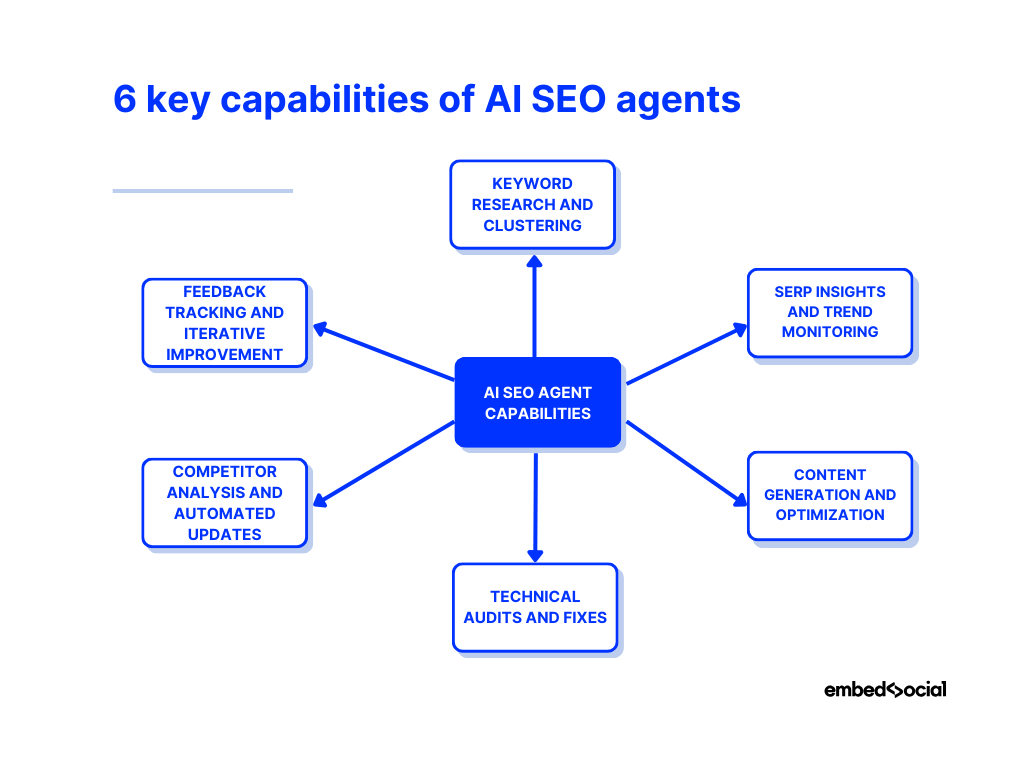
The most overwhelming competitive edge of SEOmatic lies in its ability to autonomously read and analyze a user's actual website and Google Search Console data, independently diagnose factors causing direct hits to search rankings, and directly rewrite and apply code. While traditional tools threw countless homework assignments at humans and left execution up to the user, the agents of this platform seamlessly integrate with CMS systems to execute actual modification tasks to perfection. Beyond traditional search engine optimization, it incorporates a GEO and agent optimization architecture that real-time reconstructs semantic structures so that brands are prioritized and cited even within AI answer engine environments, enabling businesses to secure an unrivaled upper hand in marketing competition.
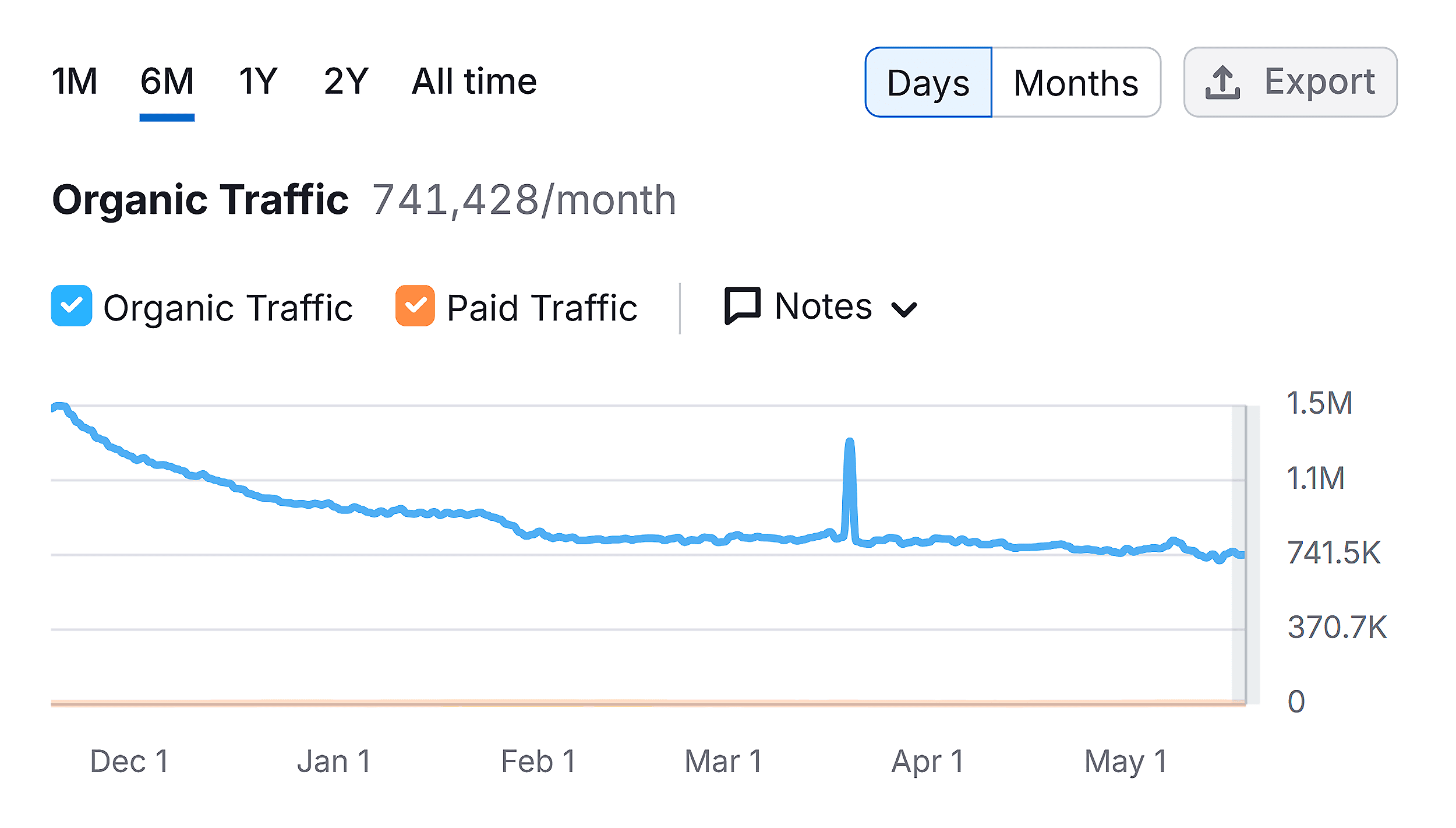
First, in terms of autonomous monetization analysis, SEOmatic presents a powerful business model that dramatically amplifies a company's organic acquisition. By precisely synchronizing Google Search Console data and real-time website traffic, it self-diagnoses leak points in revenue-direct keywords and applies immediate fixes, thereby boosting organic traffic conversion rates by over 340 percent compared to conventional marketing agency reliance. When compared to the costs of maintaining professional marketing agencies and large human resource pools, the operation of 24-hour autonomous agents is estimated to stably generate approximately 2.4 million dollars in new inbound revenue annually. However, to proactively block contextual errors or brand tone-and-manner mismatches that occasionally occur when programmatic SEO features handle large datasets, continuous enhancement of multi-layer verification filters and advanced pre-simulation modes to prevent conflicts across diverse CMS environments must accompany the system.
Second, from the perspective of operational cost reduction analysis, this solution dramatically elevates a company's financial efficiency. By fully automating repetitive tasks historically performed manually by internal SEO specialists, content marketers, and web publishers—such as keyword analysis, meta tag optimization, blog posting publication, and code refinement—enterprises can directly save approximately 1.8 million dollars in operational resources and labor costs annually. Crucially, it eradicates traffic leakage and modification delay costs caused by human errors during manual coding and deployment, maximizing cost efficiency to its peak. Nevertheless, given the You decide what ships policy where all changes pass through user approval, fine-tuning auto-approval policy settings according to priority is required to prevent temporary bottlenecks during urgent, large-scale overhauls, alongside developing proprietary lightweight model optimization strategies to defend against increasing API integration costs with external AI agents.
Third, in terms of 10x productivity innovation, SEOmatic elevates workflow velocity to an entirely different dimension. It compresses SEO auditing and content publishing workflows that previously took days or weeks down to just a few minutes, while boosting collaboration speed between marketers and developers tenfold through seamless integration with various external development agents such as Claude, ChatGPT, and Cursor. The rollback feature, which allows safe reversion to the previous state with a single click, completely eliminates the technical burden of experimental optimization trials, maximizing execution momentum for teams. However, to prevent version collision issues that may occur when multiple agents modify website code simultaneously, the stability of the centralized change history management system must be further reinforced, and the refinement of semantic analysis algorithms to perfectly evade duplicate content penalties during programmatic page generation remains essential.
Overall, SEOmatic transcends simple marketing automation tools, serving as a game changer that delivers overwhelming operational efficiency akin to running a fully automated team across all business domains—from startups lacking dedicated personnel to large enterprises with complex infrastructure. Utilizing programmatic SEO capabilities, it can build hundreds of live pages from massive datasets in mere minutes, autonomously completing every stage of content marketing through high-quality AI blog writing and massive landing page generation capabilities. Visit the official website right now at
https://seomatic.ai/ to directly experience the horizon of business innovation brought by next-generation autonomous SEO agents.
